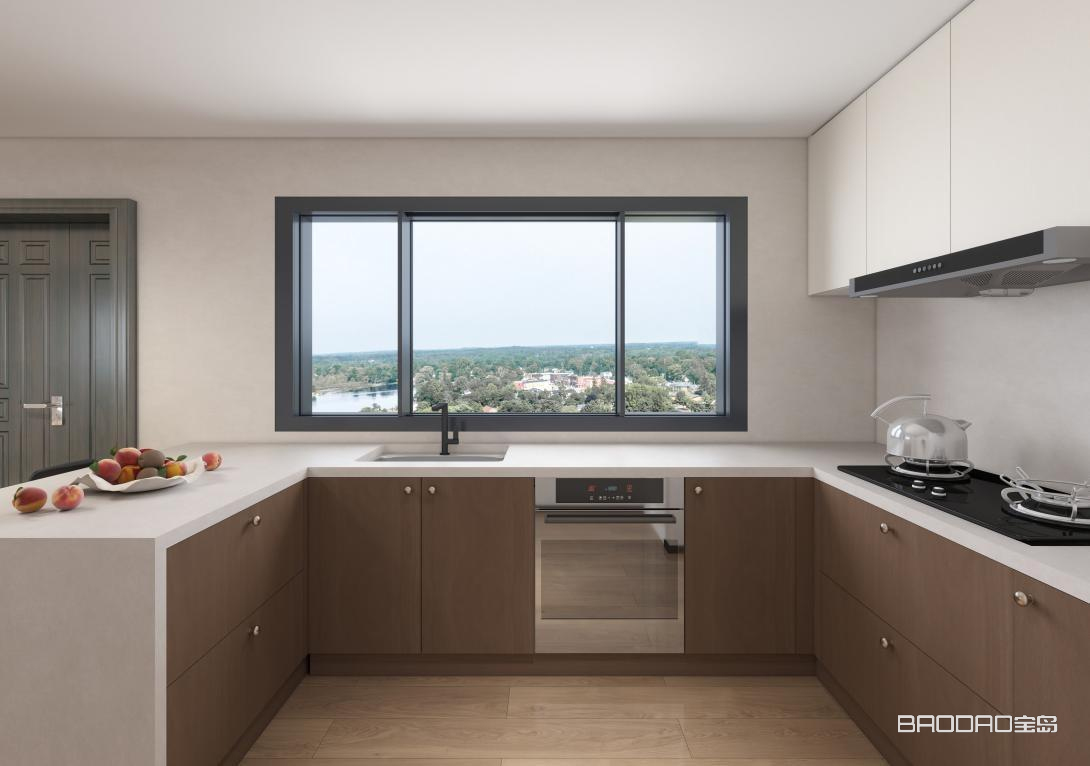
However, many homeowners find that even with a spacious kitchen, countertops quickly become cluttered and storage space is never enough. The problem often lies not in the size of the kitchen but in the lack of systematic storage planning.
For Baodao Home, the essence of kitchen design is not adding more cabinets but establishing a spatial order that aligns with daily living habits.
Traditional kitchen design often prioritizes storage capacity, while modern high-end homes emphasize usability and efficiency.
A truly efficient kitchen should be planned around daily workflows. From ingredient storage and cleaning prep to cooking and post-meal cleanup, every step should form a natural, smooth flow.
In practice, Baodao Home typically organizes kitchens around the following core zones:
• Ingredient storage area
• Cleaning and prep area
• Cooking operation area
• Tableware storage area
• Small appliance area
By creating functional zones, every item has a dedicated place, minimizing clutter from the source.

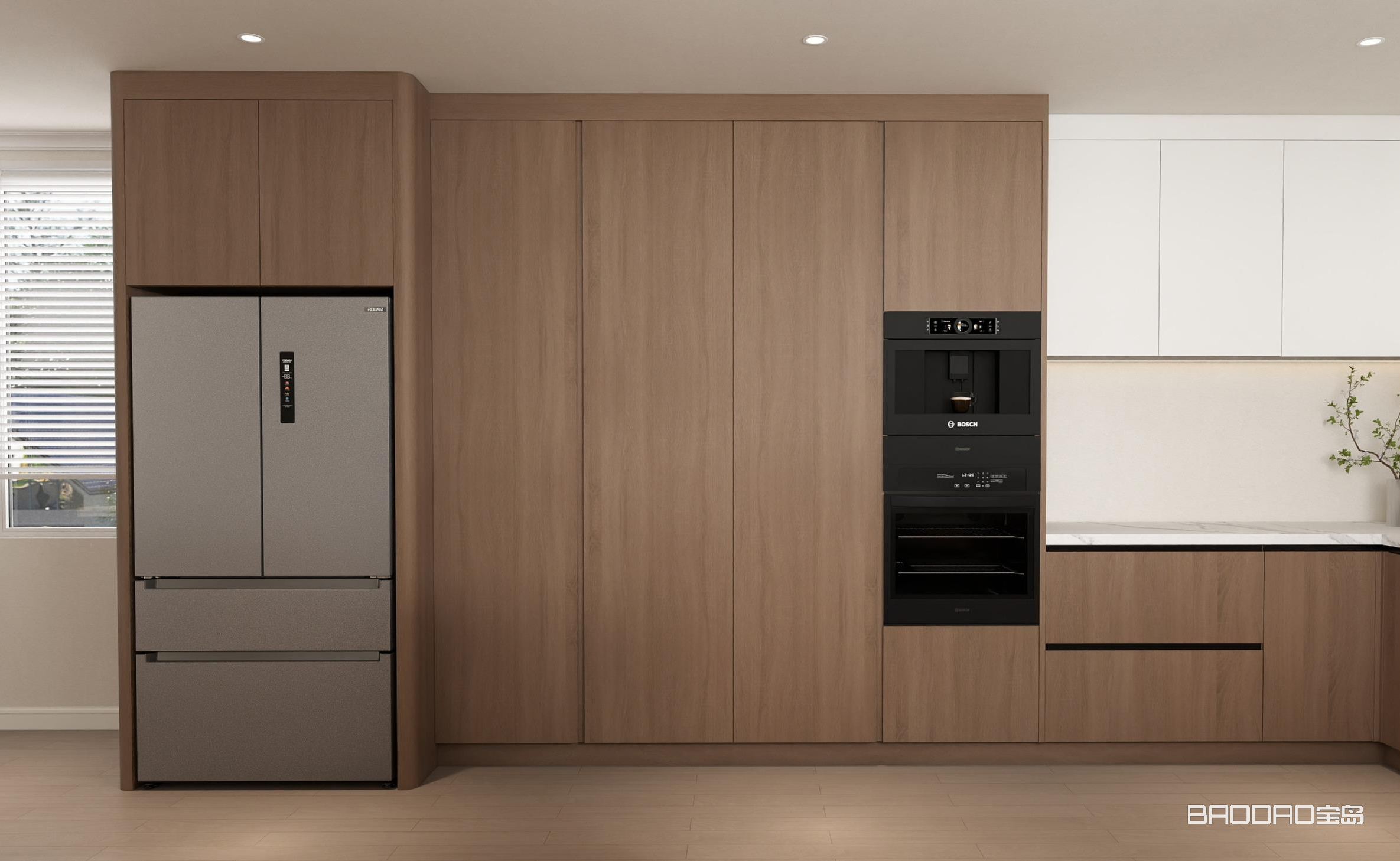
As residential design evolves, tall cabinet systems are gradually replacing traditional wall cabinets, becoming an essential part of modern kitchens.
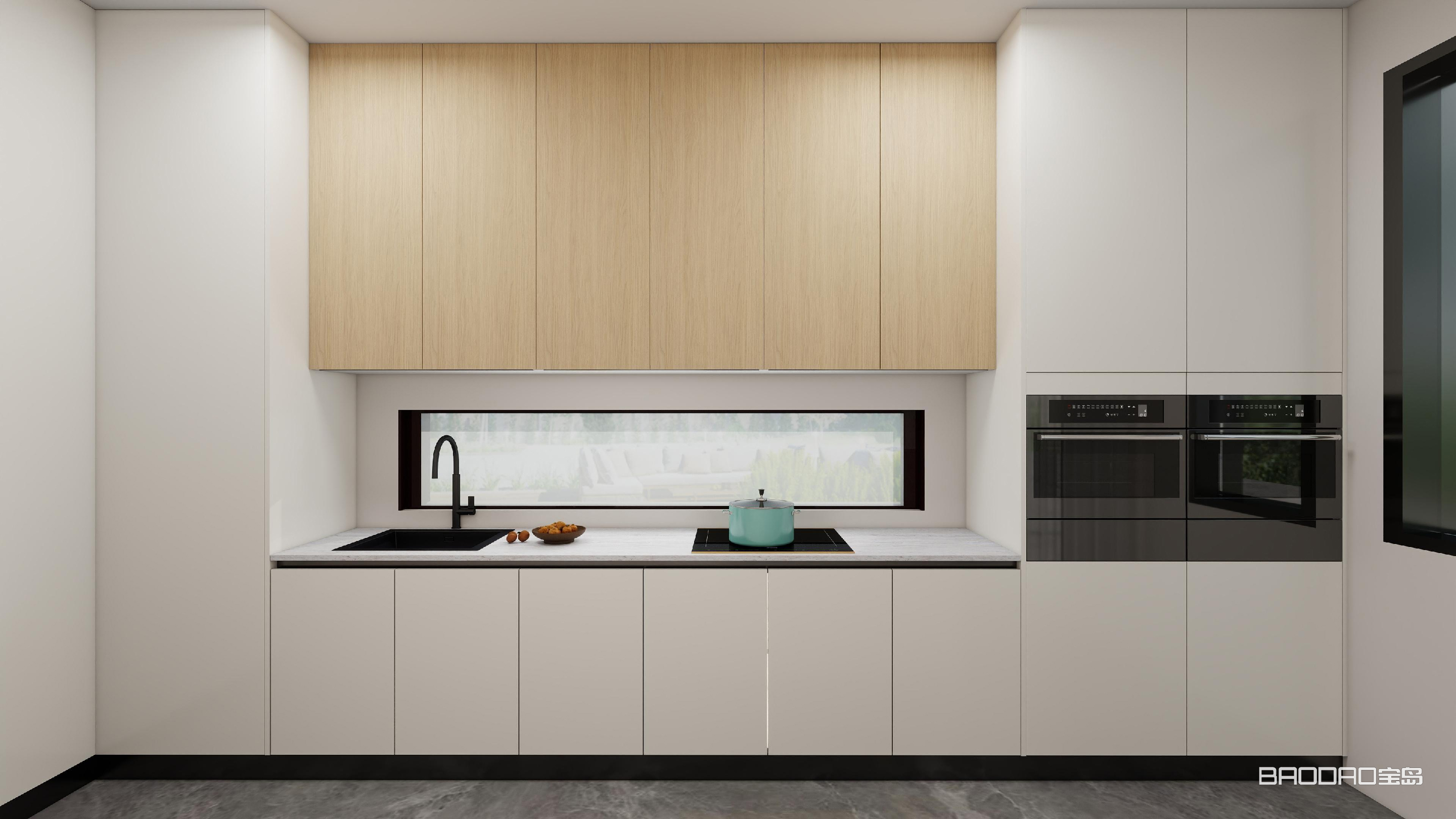
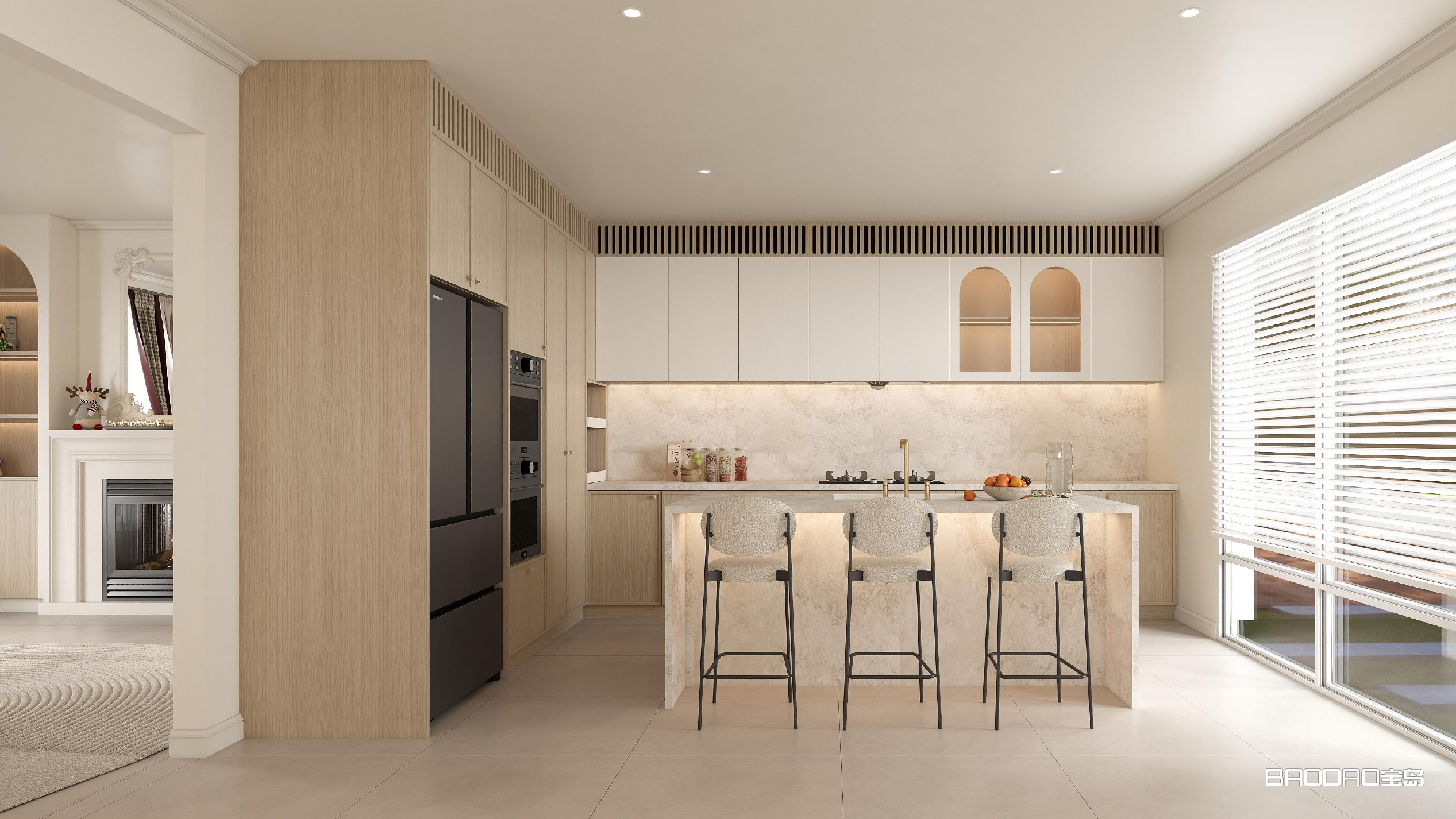
Compared with standard wall cabinets, tall cabinets fully utilize vertical space, significantly increasing storage capacity. They can also integrate appliances such as refrigerators, steam ovens, and conventional ovens, creating a unified wall surface.
In many Baodao Home projects, tall cabinet systems typically handle:
• Food storage
• Appliance storage
• Cleaning supply storage
• Large kitchenware storage
Through system integration, both space utilization and visual simplicity are enhanced.

Why do some kitchens always appear neat and orderly?
The answer often lies not in how many items are present but whether a complete hidden storage system has been established.
Modern high-end kitchens emphasize “de-cluttering” design.
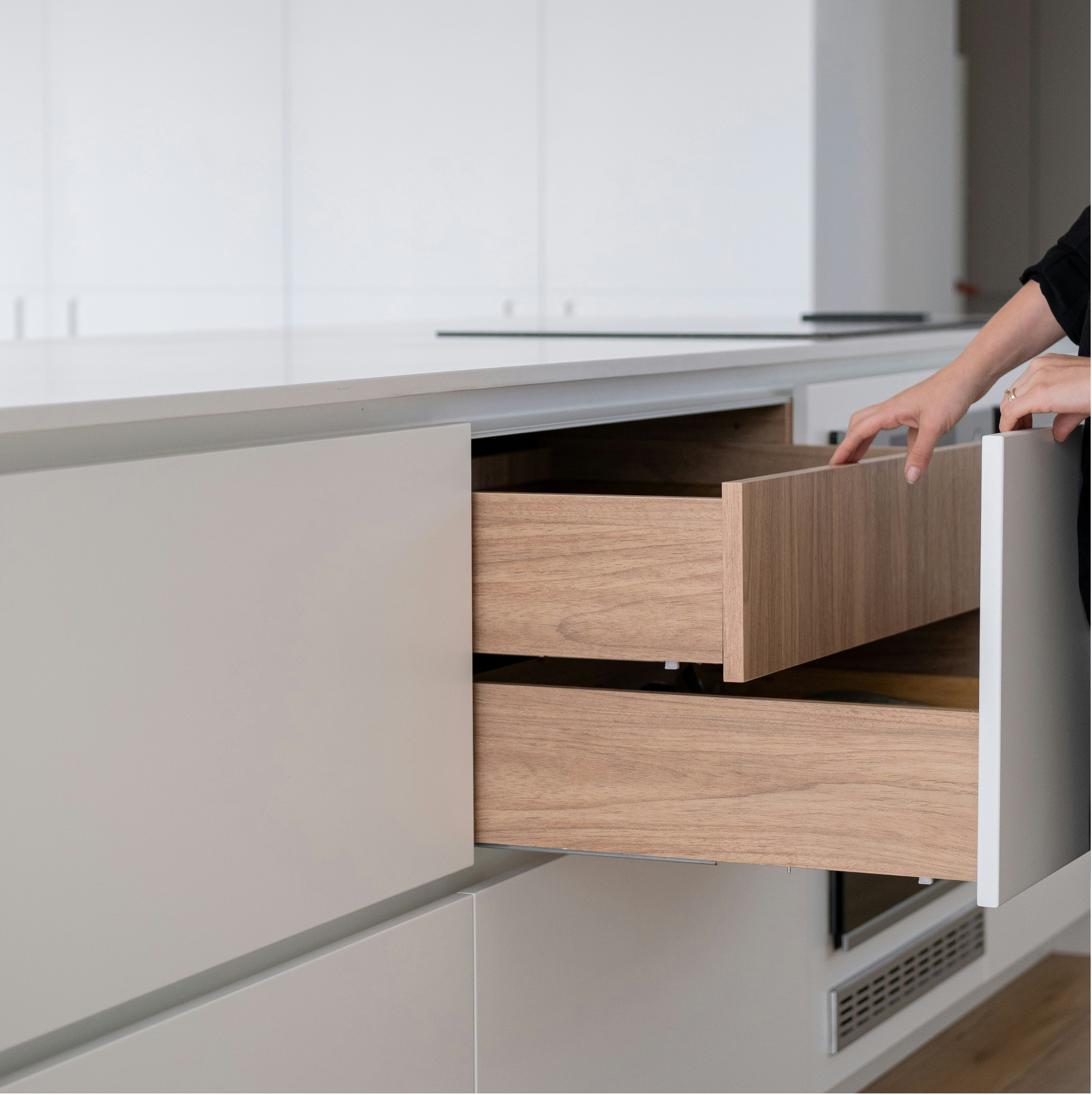
Spices, cookware, small appliances, and daily tableware are all integrated into cabinet systems, organized using drawer dividers, pull-out baskets, and functional hardware.
Countertops retain only essential work areas, giving the kitchen a clean and streamlined visual effect.
This design not only enhances aesthetics but also significantly improves daily efficiency.

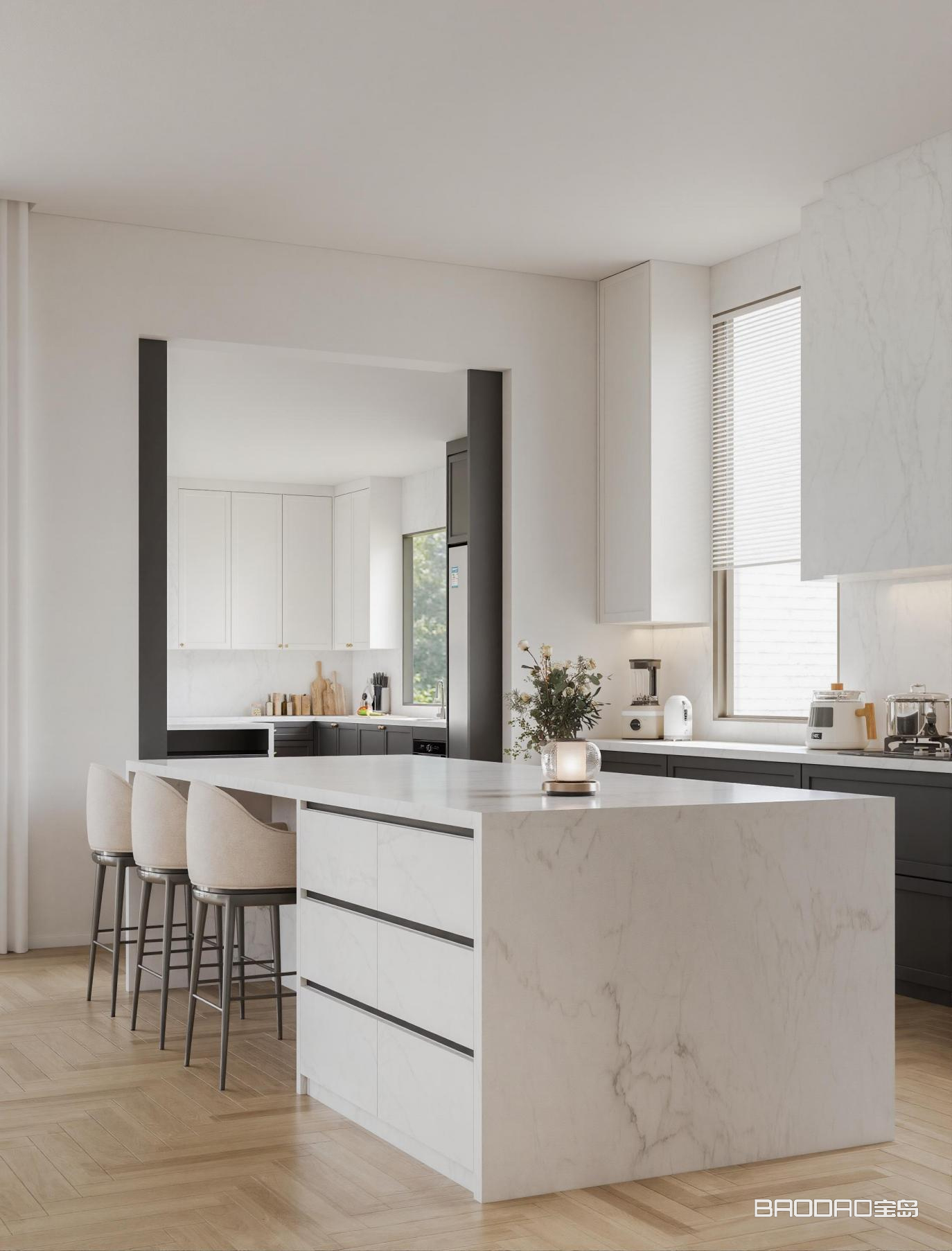
In open-plan homes, kitchen islands are no longer just prep areas.
More and more families want the island to support cooking, dining, socializing, and storage functions.
Modern island designs often incorporate:
• Drawer storage systems
• Barware display areas
• Tableware storage areas
• Bar counter functions
• Hidden small appliance storage
In many Baodao Home projects, islands not only serve kitchen functions but also connect living and dining spaces, naturally encouraging family interaction.

The value of a storage system lies not only in capacity but also in usability.
Whether drawers slide smoothly, doors are easy to open, items are easy to access, and internal space is easy to organize—all these details directly impact long-term kitchen usability.
Baodao Home pays close attention to:
• Hardware configuration
• Cabinet structure design
• Workflow planning
• Internal partition systems
• Lighting and power layout
By optimizing these details, kitchens maintain high usability even after years of use.

Kitchen Design Is Essentially Lifestyle Design
Modern families’ expectations for kitchens go beyond simple cooking.
The kitchen serves as both storage and family interaction space; it performs daily functions while shaping the overall living experience.
Thus, an excellent kitchen storage system is not about adding more cabinets but systematically planning the space to match living habits.
Baodao Home believes that kitchen design is about more than storage—it’s about lifestyle. By carefully considering space, function, and details, every family can enjoy a more efficient, comfortable, and welcoming kitchen environment.