How Do Materials and Colors Affect the Sense of Space?|Visual Logic in High-End Residential Design
In high-end residential design, the sense of space is not determined solely by area but is shaped by the harmony of color, material, and lighting. Light tones combined with warm wood enhance openness and warmth, material layers enrich visual depth, and lighting design strengthens the ambiance. Whole-home customization, through unified materials, colors, and systematic layout, creates a comfortable, aesthetically pleasing, and efficient living experience, seamlessly integrating spatial design with lifestyle.
Foshan, China
June 12, 2026

In modern residential design, the sense of space is not solely determined by floor area; it is shaped by the interplay of color, material, and light. Two homes with identical dimensions can feel completely different: one may feel open, comfortable, and luxurious, while the other may feel cramped and oppressive.

For Baodao Home, full-house customization is not just about cabinet design but about designing an integrated spatial system. By comprehensively controlling materials, colors, and lighting, homes can meet functional needs while providing a comfortable and harmonious living experience.

Color Shapes the First Impression of Space

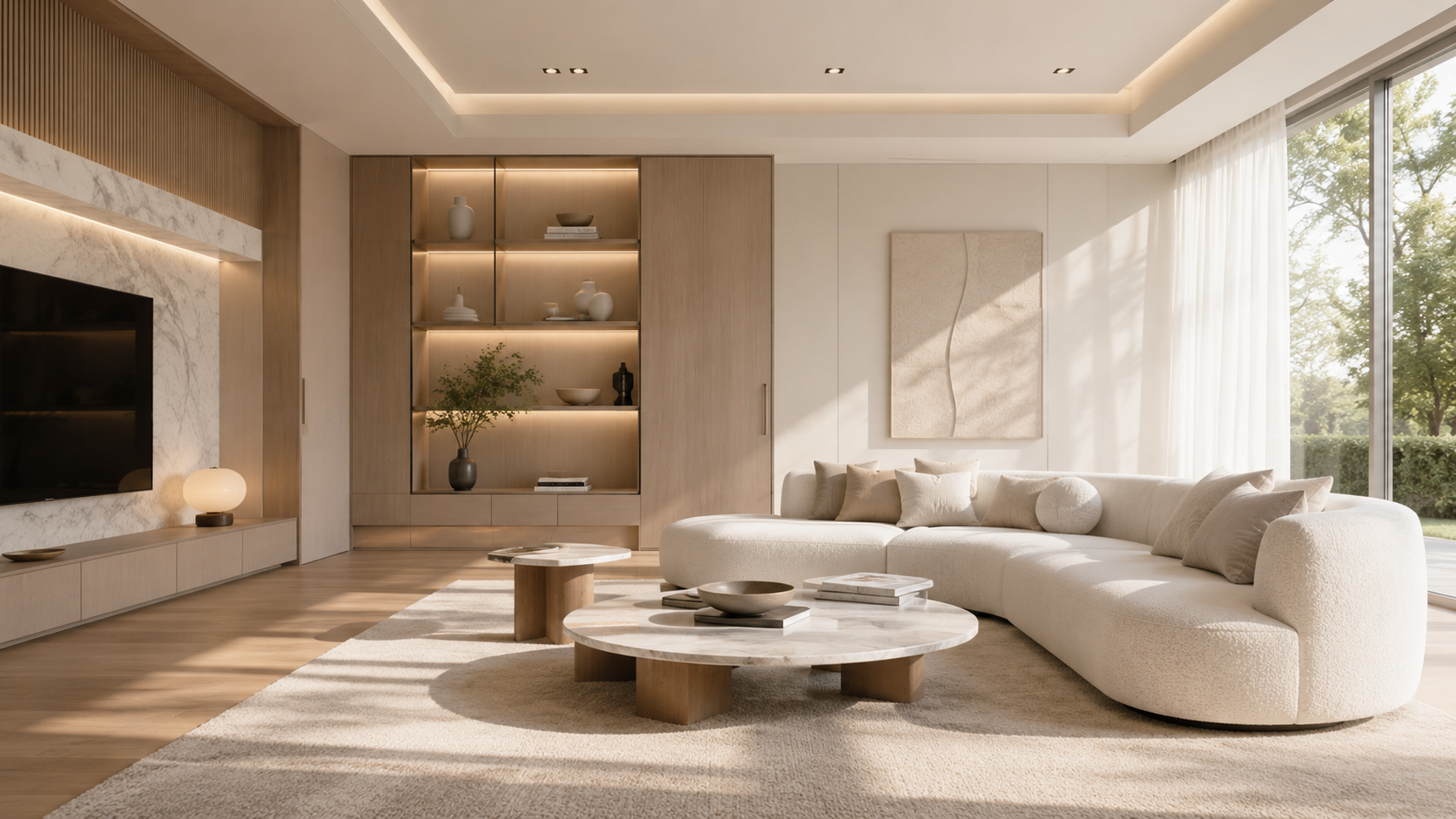
Color is one of the most direct factors influencing spatial perception. Low-saturation colors such as white, off-white, and warm gray have long dominated modern residential design. These colors are not only clean and aesthetically pleasing but also enhance the visual expansiveness of a space. Light colors reflect more light, creating even diffuse illumination from natural sunlight, making spaces appear brighter and more open. Dark colors add visual weight, which can make spaces feel heavy.

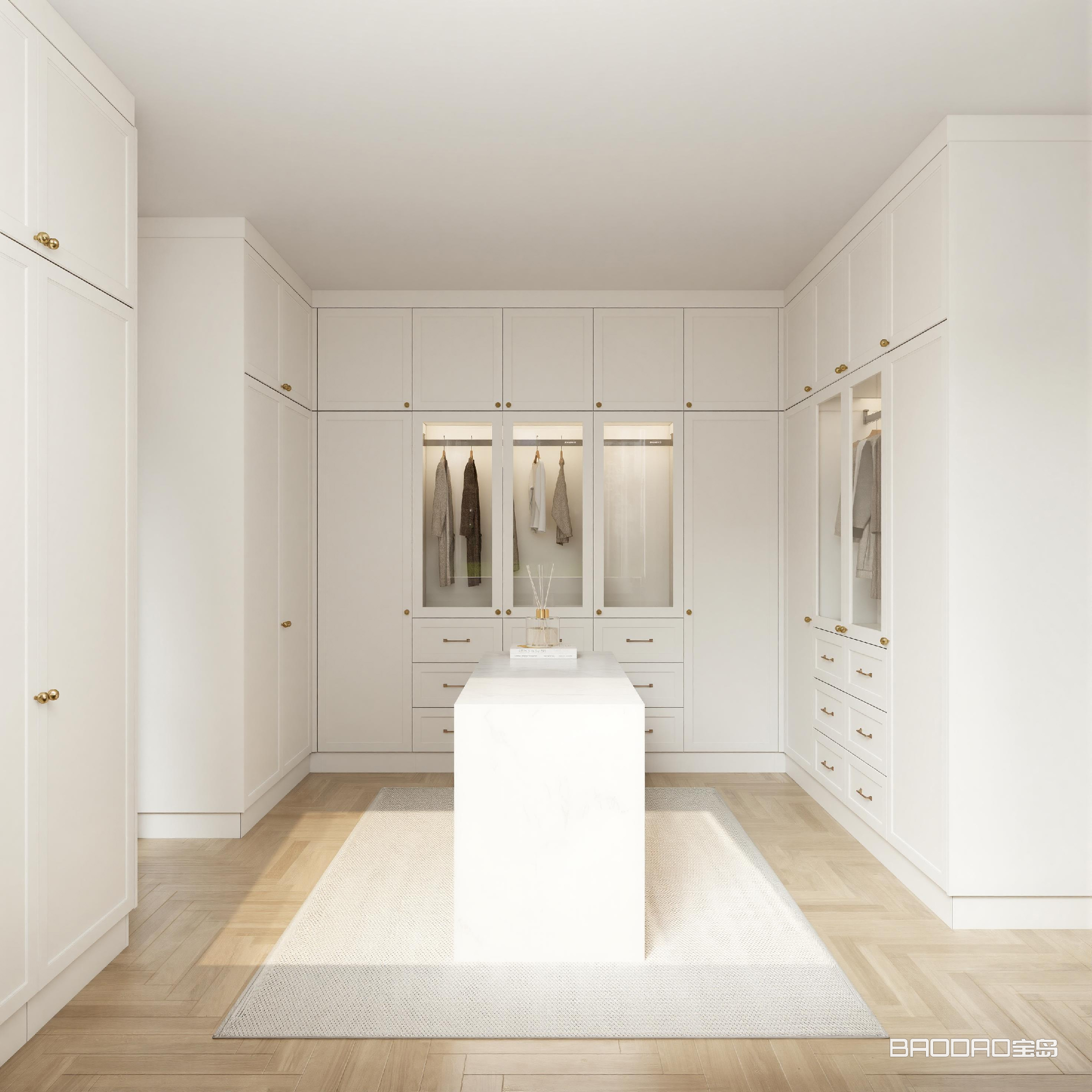
In Baodao Home projects, the combination of white and warm wood is the most popular choice. White brings a sense of purity and openness, while wood adds warmth, balancing modernity with a lived-in feel.

High-end residential design often restrains the use of colors, avoiding excessive hues that can create visual clutter. A common approach is to establish a main color as the base, supplemented with minimal accent colors. Overall, light, warm gray, and wood tones dominate, maintaining coherence and suitability for long-term living.

Material Layers Matter More than Color

While color sets the tone of a space, materials define its texture and feel. Modern minimalist homes often reduce color variation but increase material diversity to create layers. For instance, a single space may include:

• Matte PET cabinet doors

• Wood veneer systems

• Stone countertops

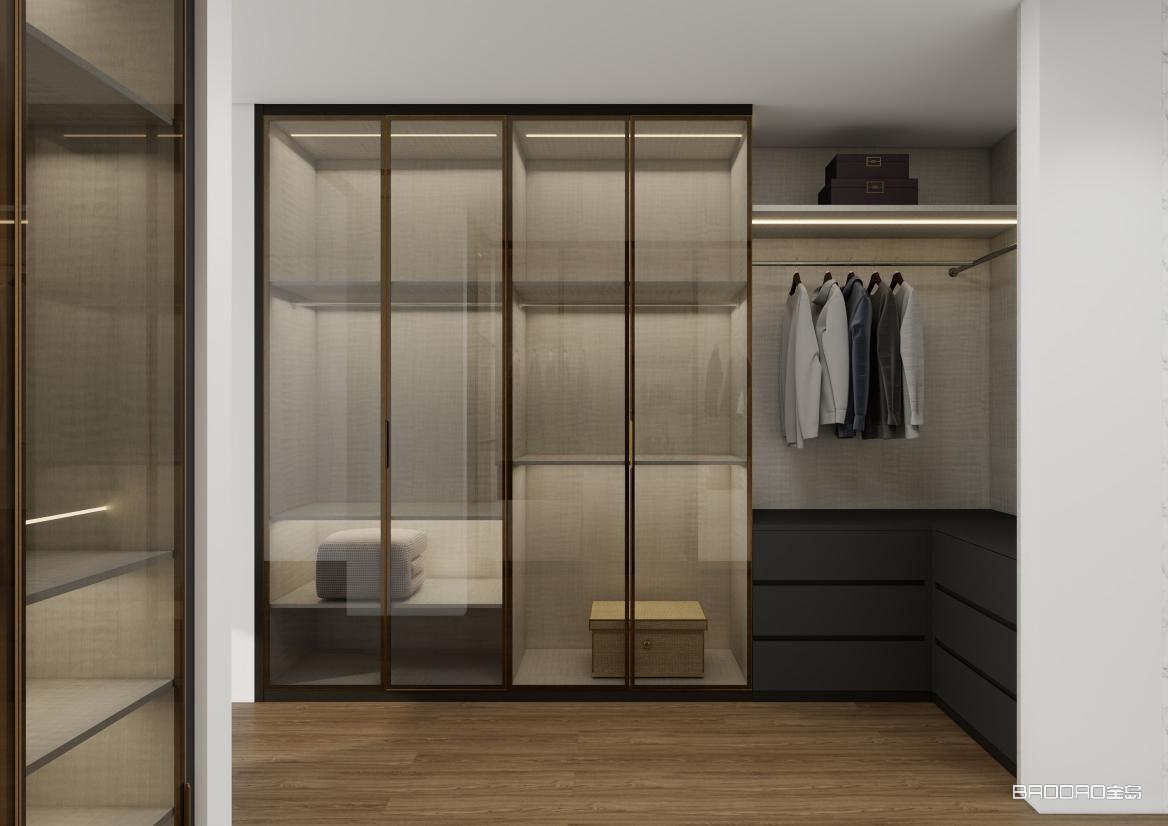
• Glass display cabinets

• Metal detail elements

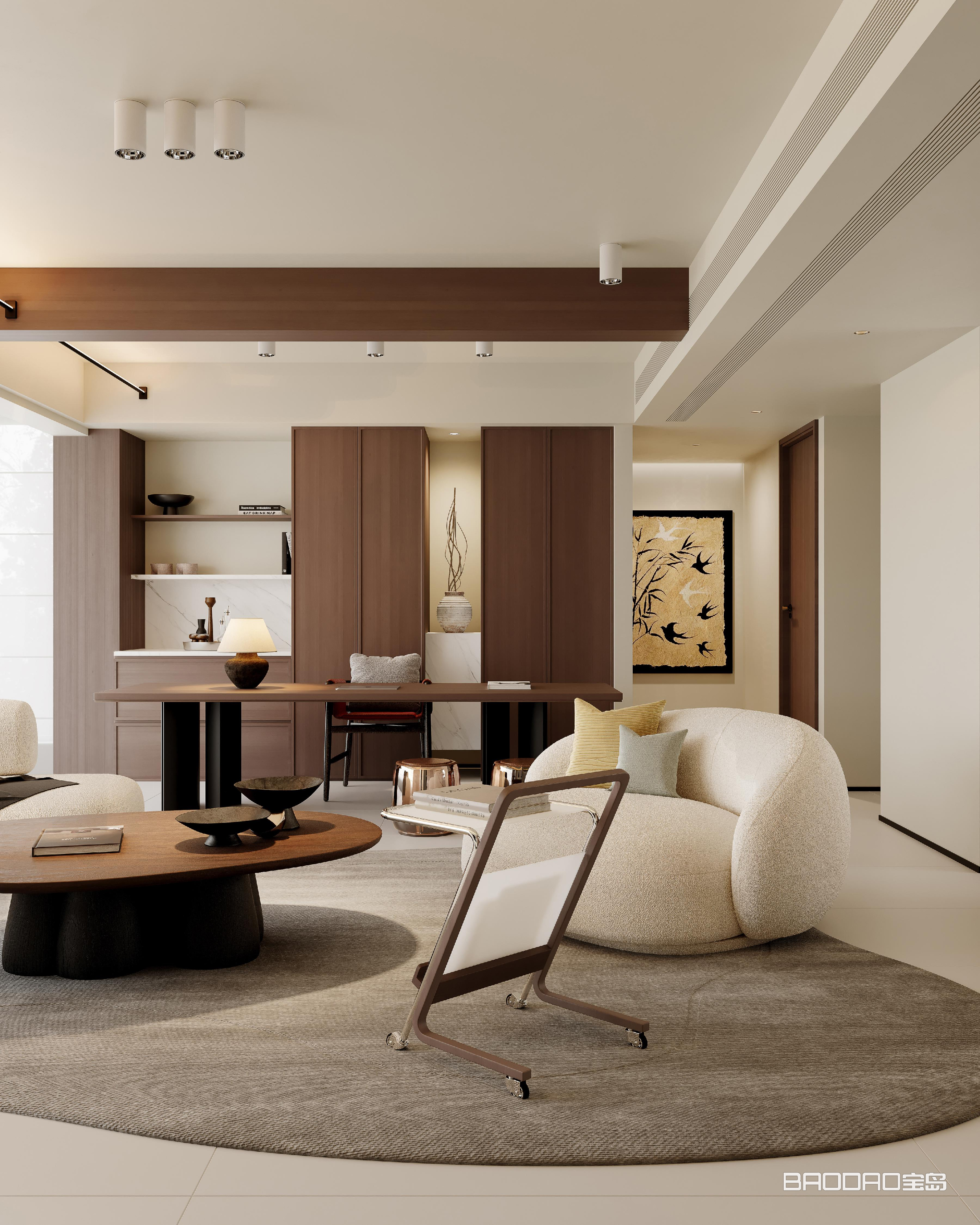
Even with a unified color palette, material differences enrich visual effects and prevent monotony. Wood veneers are particularly valued in high-end residences, as natural wood grain adds warmth, making minimalist spaces feel more inviting.

Wood finishes are widely used in walk-in closets, studies, TV feature walls, sideboards, and display systems. Combined with hidden lighting, the wood’s texture can reveal delicate layers, maintaining a modern feel while enhancing residential warmth. This is why Baodao Home consistently uses wood veneer systems across multiple high-end projects.

Light and Shadow Are Key to Spatial Perception

Lighting is increasingly considered the “fourth material” in modern residential design, serving not only illumination but also spatial atmosphere. The same wood veneer appears differently under natural and artificial light; display cabinets with integrated lighting achieve richer visual layers.

High-end residences emphasize “seeing light without seeing the fixture.” Light strips are hidden inside cabinet structures, providing soft indirect illumination that enhances material expression without disrupting the visual purity of the space. In Baodao Home’s custom systems, common lighting designs include:

• Built-in cabinet light strips

• Highlighted display cabinet lighting

• Ambient lighting for open shelves

• Sensor-activated closet lighting

The combination of light and materials creates a soft, layered visual experience.

Details Determine the Quality of Space

Excellent spatial design is a balance of material, color, and light. High-quality residential spaces are never simply a mix of one material or one color. The perception of space requires coordinated relationships between color, material, and light. Light colors define spatial scale, wood adds warmth, material layering builds visual depth, and lighting enhances overall ambiance. Together, they form a coherent logic in modern residential design, creating comfortable, visually pleasing spaces with long-term livability.

Space Design Is Essentially Lifestyle Design

Modern families’ expectations for homes go beyond mere functionality. Kitchens, closets, and living rooms serve as spaces for daily activities, social interaction, and aesthetic display.

For Baodao Home, full-house customization is more than delivering products—it is about shaping the overall spatial experience. From material selection and color coordination to lighting planning and craftsmanship details, every design decision centers on the real needs of residents.

A truly high-end space does not reveal its design at first glance; rather, its quality is experienced over time, offering comfort, order, and a sense of livable warmth.

从这里开始,让您的空间焕然一新。
点击 “提交”,即表示我已阅读并同意
隐私政策
并同意处理我的个人数据。
谢谢!您提交的内容已收到!
哎哟!提交表单时出了点问题。