
For homeowners who are renovating or upgrading their homes, a common question is: What is the difference between whole-home customization, or custom cabinetry, and ready-made furniture?
At first glance, both can meet basic storage needs. However, when viewed from the perspectives of space utilization, design consistency, and long-term living experience, the two are fundamentally different.
In recent years, with the development of the high-end residential market, more and more families have begun to shift from traditional ready-made furniture to whole-home customization systems. This reflects not only a change in consumption habits, but also an upgrade in modern living concepts.
The biggest feature of ready-made furniture is that the product comes first, and the space is considered afterward.
Whether it is a wardrobe, TV cabinet, or bookcase, the product size is usually fixed. Consumers can only choose from existing products based on the available space. Although this approach is convenient, it often leads to problems with size mismatch.
For example, the following issues are common in residential spaces:
• Large gaps left above wardrobes
• Unusable dead corners around walls or corners
• Insufficient storage capacity
• Furniture dimensions that do not match the proportions of the space
These problems become even more obvious as modern homes place greater emphasis on efficient space utilization.
Whole-home customization works in the opposite way.
Its logic is to study the space first, and then design the product.
From wall dimensions and architectural structures to residents’ actual living needs, all cabinet systems are planned and customized according to the real space, ensuring that every inch is used reasonably.
In many projects served by Baodao Home, the design team conducts spatial measurements and functional analysis at the early stage of the project. Based on family structure, lifestyle habits, and future usage needs, the team develops an integrated design solution.
Therefore, whole-home customization does not simply solve furniture problems. It solves the problem of the entire spatial system.
1. The Difference in Storage Capacity
For modern families, storage has become an important topic in residential design.
Ready-made furniture can provide basic storage functions, but due to fixed dimensions, its internal structure is usually relatively limited.
Whole-home customization, by contrast, allows targeted planning for different scenarios.
For example:
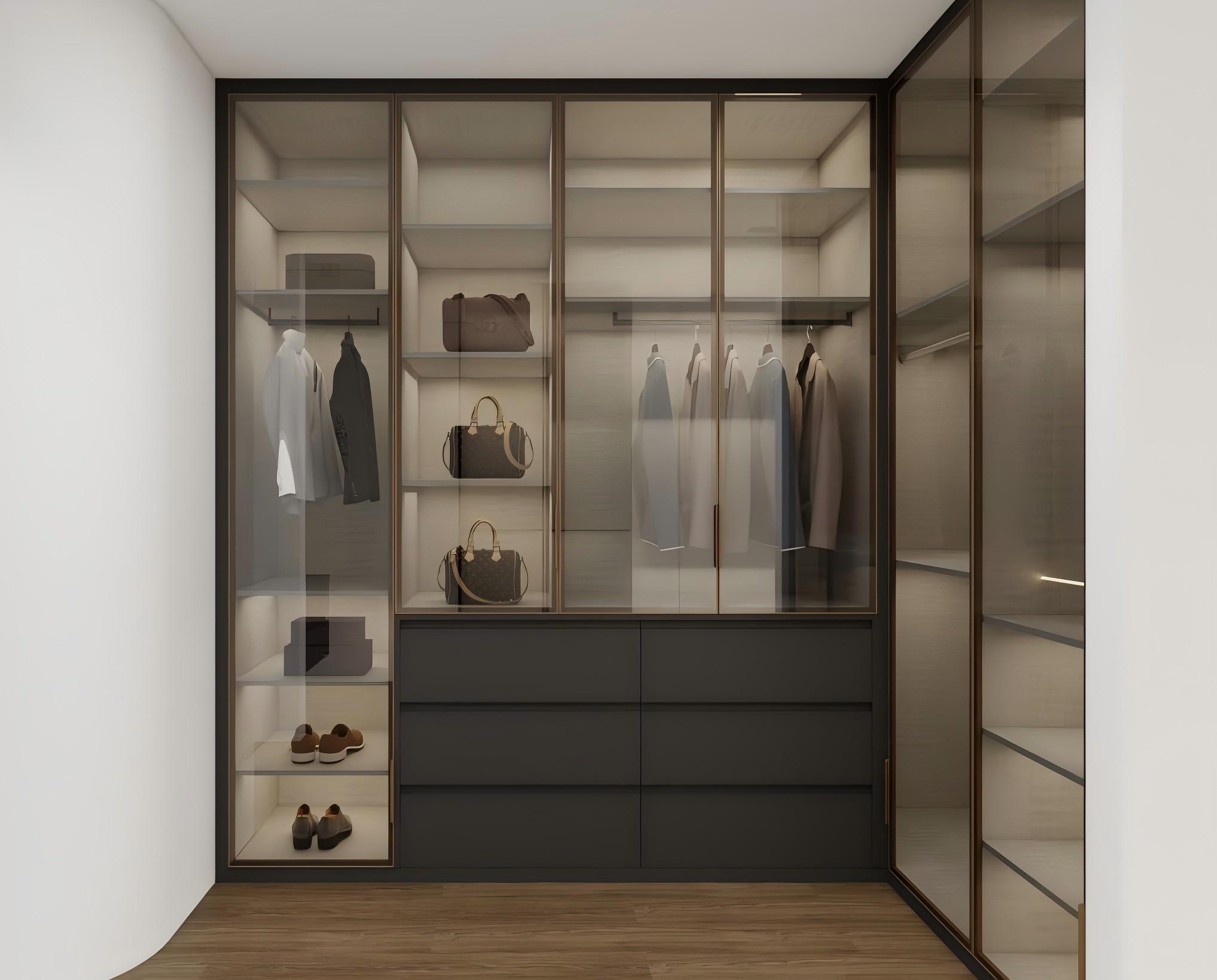
In a walk-in wardrobe, long-hanging areas, short-hanging areas, bag display sections, and drawer systems can be planned.
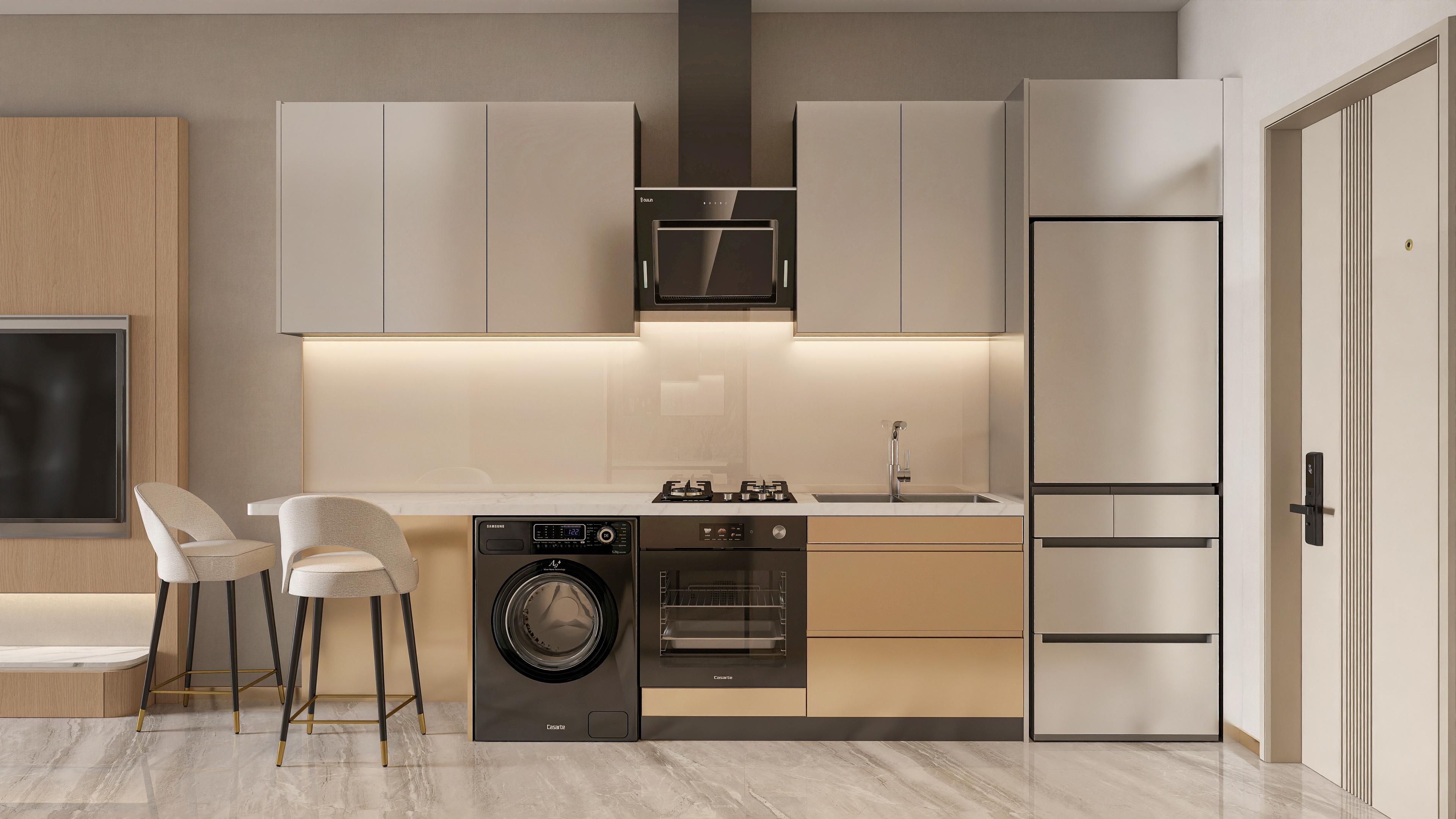
In the kitchen, tall cabinets, appliance cabinets, and pantry storage areas can be integrated.
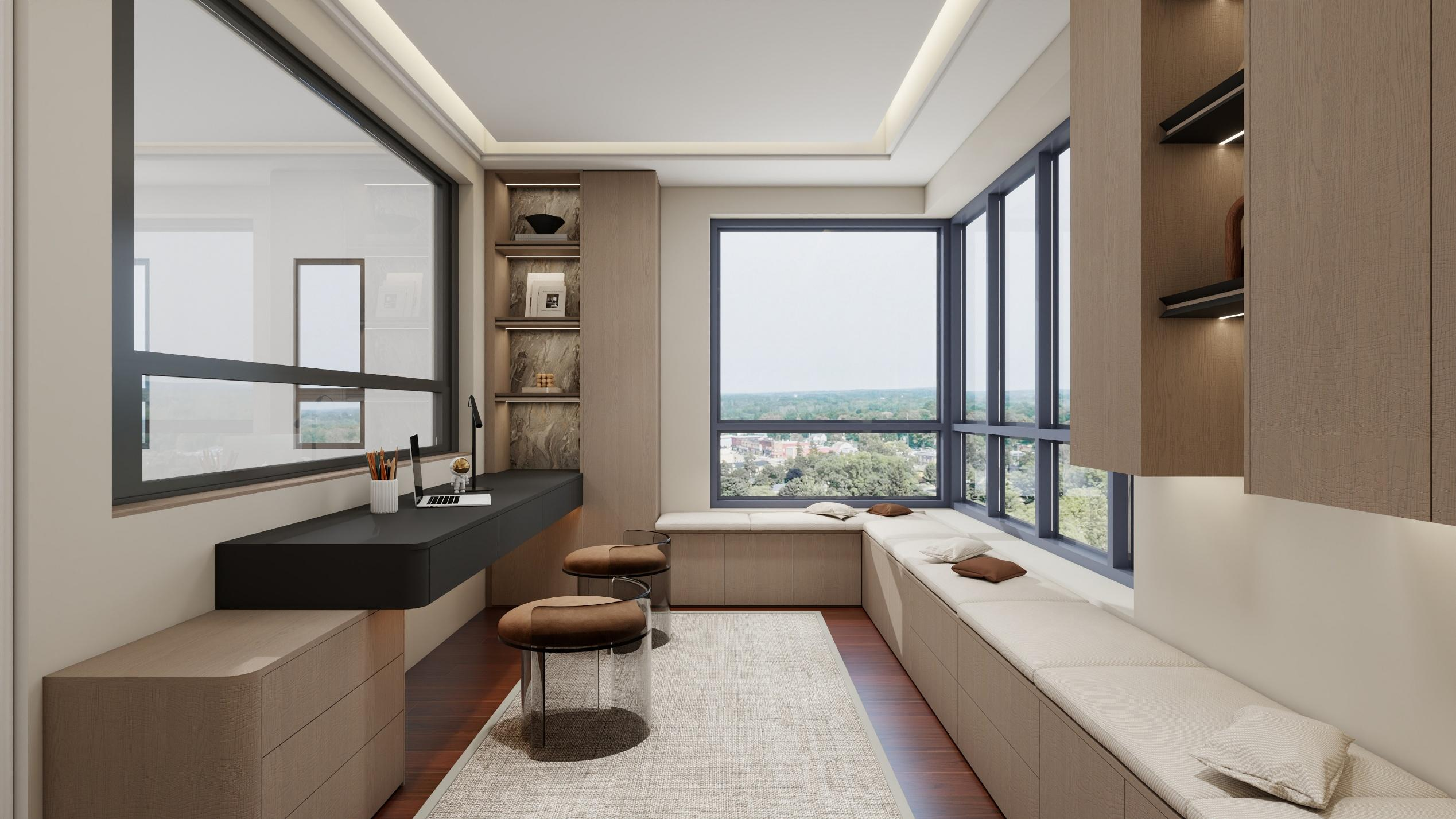
In the study, bookcases, desks, and display systems can be combined.
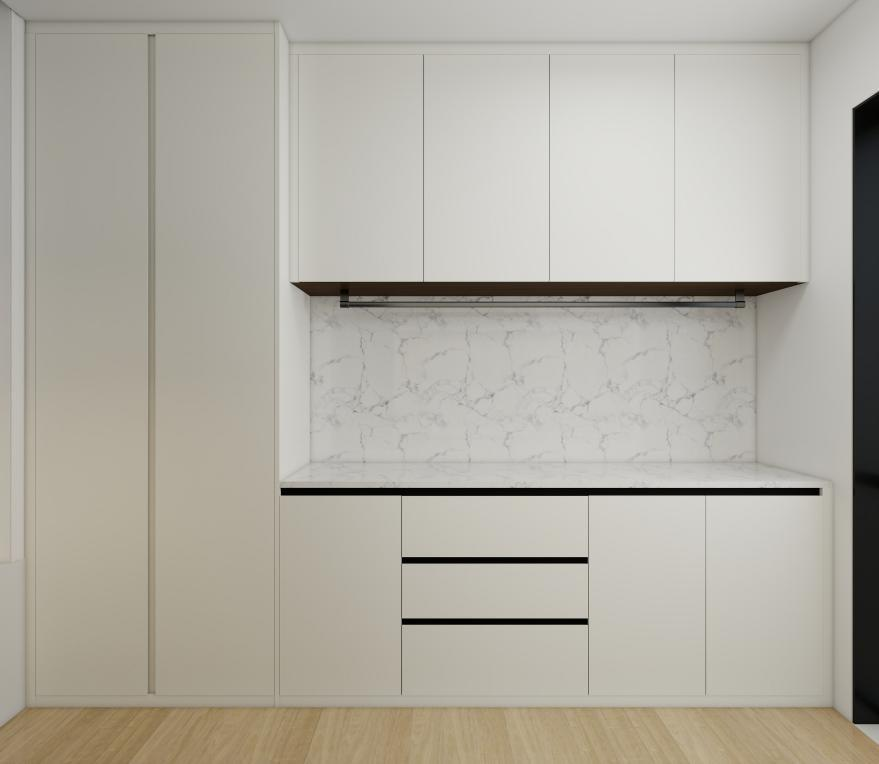
In the laundry room, cleaning tool storage and household storage functions can be planned together.
This systematic planning not only improves storage capacity, but also helps the space remain tidy and well-organized over the long term.
For many modern families, the problem is not necessarily that the home is too small. More often, the real issue is the lack of a well-designed storage system.
That is why high-end residential design increasingly emphasizes the idea that “spatial design comes before furniture purchasing.”
2. Overall Design and Spatial Consistency
Modern residential design places increasing importance on the overall visual effect of a space.
However, ready-made furniture often comes from different brands. As a result, colors, materials, proportions, and details between different pieces are difficult to fully unify.
Even when each individual piece is of good quality, the overall space may still feel visually fragmented.
One of the greatest advantages of whole-home customization is design consistency.
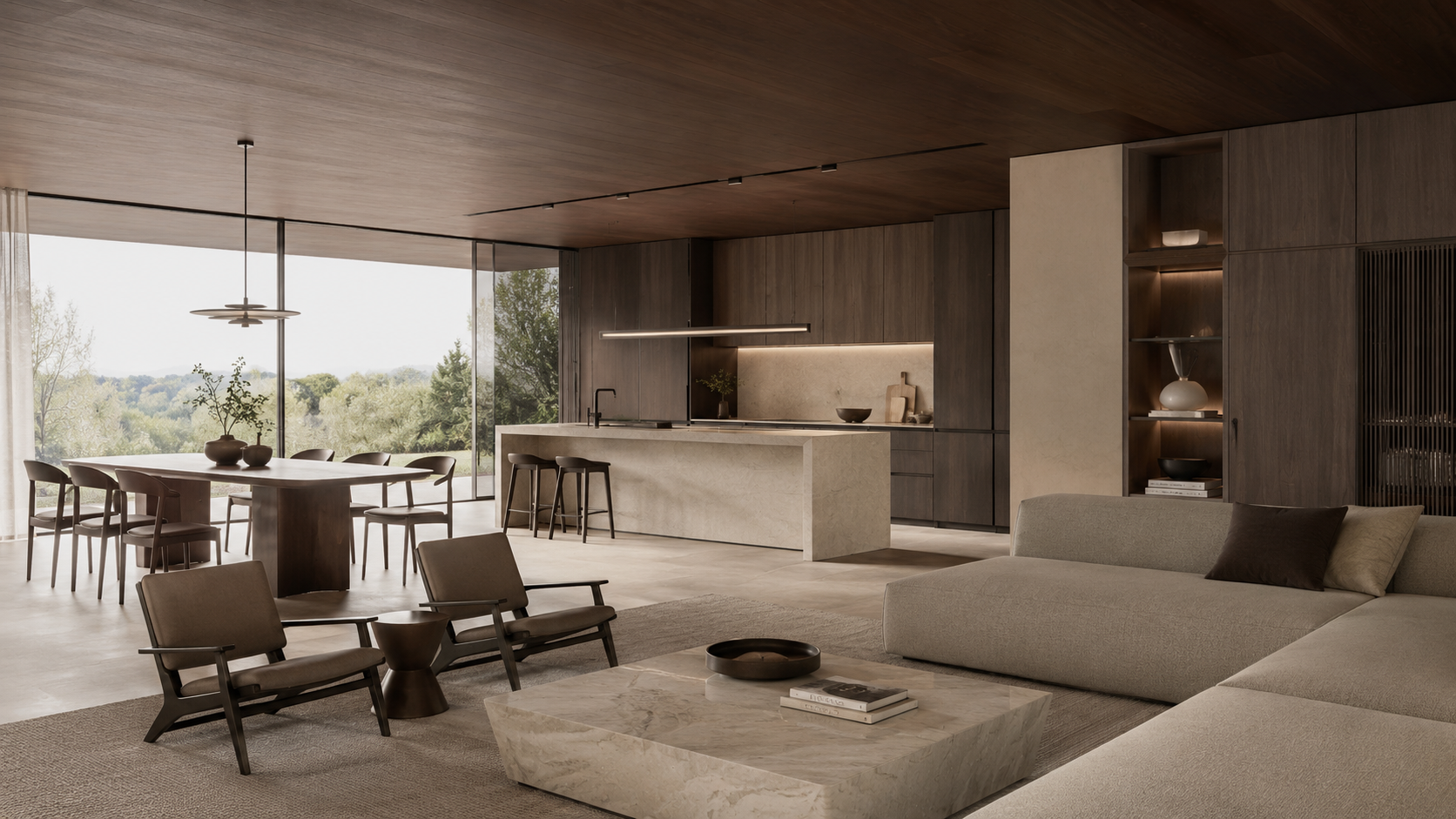
From the entrance, kitchen, and walk-in wardrobe to bedroom cabinetry, the same design language, material system, and proportional relationship can be applied throughout the home.
In many Baodao Home projects, designers establish a complete material system based on the overall spatial style. For example, warm wood veneer may be paired with matte PET cabinet doors, glass display systems, and concealed lighting design, allowing the entire residence to present a consistent and coherent spatial atmosphere.
This integrated design approach has also become one of the important trends in international high-end residential projects.
3. The Difference in Craftsmanship and Details
What truly determines the quality of a space is often found in the details that are easily overlooked.
Ready-made furniture is produced through standardized mass production and focuses more on the product itself.
Whole-home customization, however, must consider the relationship between furniture and architecture.
For example:
• The finishing between cabinets and walls
• The connection between cabinetry and the ceiling
• The proportion control of cabinet doors
• The pre-installation of lighting systems
• The integration of concealed hardware
• Handleless system design
Together, these details determine the final sense of refinement in a space.
This is especially true in minimalist residential design. The simpler a space appears, the more it relies on precise craftsmanship and execution behind the scenes.
During project implementation, Baodao Home ensures a high level of integration between cabinet systems and architectural spaces through pre-assembly testing, high-precision production, and on-site installation management. This helps achieve consistency between the design proposal and the final delivered result.
4. The Difference in Long-Term Living Value
When choosing furniture, many people first focus on the purchase cost.
However, for long-term living, overall value in daily use is more important.
Ready-made furniture can meet short-term needs. But as family members change, living habits evolve, and storage needs increase, homeowners often need to continuously add new furniture.
Whole-home customization establishes a complete spatial system at the beginning of the renovation.
From storage logic and functional planning to material selection and future usage needs, everything is considered as part of an integrated whole.
This systematic design can reduce later renovation costs while improving the long-term value of the residence.
For many families planning to live in their homes for a long time, whole-home customization is no longer just a renovation choice. It is also a long-term investment in quality living.
From furniture purchasing to spatial customization, there is in fact no absolute superiority between whole-home customization and ready-made furniture.
Ready-made furniture is suitable for quick move-in needs, limited budgets, or rental homes. Whole-home customization is more suitable for families who pursue spatial quality, storage efficiency, and a better long-term living experience.
As modern residential design continues to evolve, people’s focus is also changing.
In the past, people bought furniture. Today, people are looking for a space that truly fits their lifestyle.
For Baodao Home, whole-home customization has never been only about making cabinets. It is about systematically integrating design, materials, craftsmanship, and spatial planning to create living environments that better meet the needs of modern life.
Because truly outstanding residential design is not about simply placing furniture into a space. It is about allowing the space to unfold around the way people live.

Block Quote